

SoundSoft hum
Common meaningRegular running
Safe checkJust listen
Many refrigerator sounds are normal; new loud noises with cooling changes deserve attention.

Hums, gurgles, clicks, and the occasional pop are usual sounds for a refrigerator, and Maytag lists many of them as normal. What deserves attention is a new grinding or squeaking, a rattle that does not stop after leveling the cabinet, or any noise that comes with warm food. Level the unit, clear the top and sides, and listen for when the sound happens.
A refrigerator that suddenly gets loud is hard to ignore, but a sound by itself rarely names the part at fault. Begin with checks that are safe and repeatable, and keep what you learn handy in case you book a Maytag service visit.
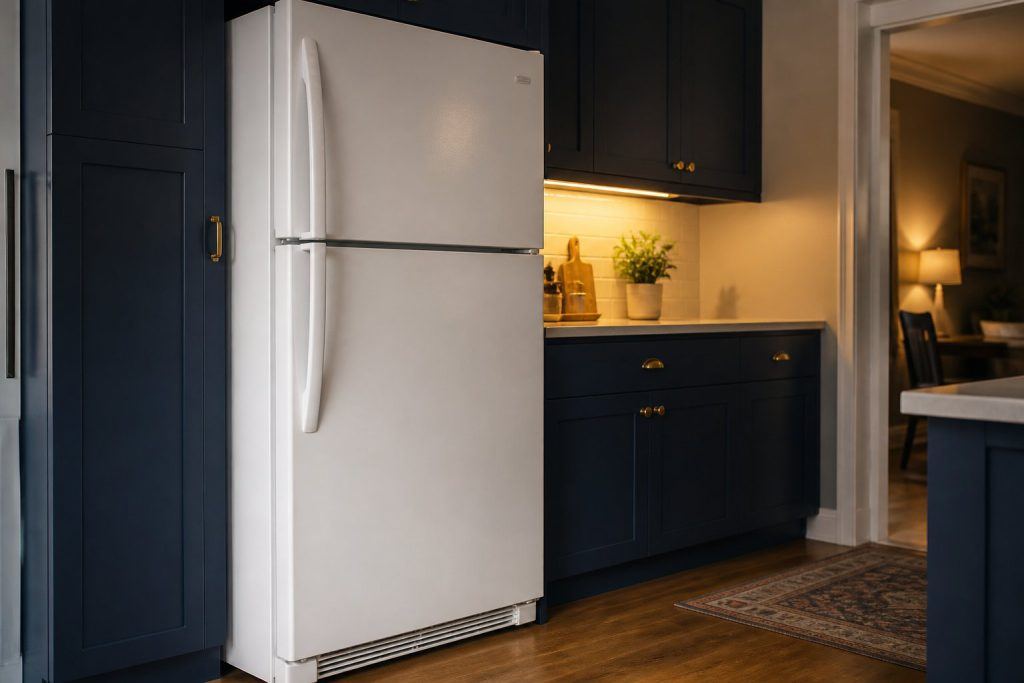
Take things off the top of the cabinet, check that the refrigerator sits level, and leave some space around it so nothing nearby can buzz against it. Inspect with the unit in its usual spot, and do not force panels, fittings, or controls. When a small adjustment changes the sound, let the refrigerator go through a normal operating stretch before deciding what it meant.
Gurgles, hums, clicks, and the odd pop are often ordinary, whereas steady grinding or a rattle that comes with weak cooling deserves more attention. Notice when it happens: always, only under a certain load or setting, or just after long running. Those details tell more than restarting the refrigerator over and over.
Maytag's support page ties specific noises to specific operations. Buzzing can be the water valve filling the ice maker, humming is the compressor and fans, and a high-pitched or pulsating sound is fans adjusting speed. Popping and cracking come from walls expanding and contracting, gurgling from refrigerant or defrost water, sizzling or hissing from water touching the defrost heater, and swooshing from fans. A single click when the compressor starts or stops is normal, while repeated clicking can come from relays or control boards.
The manual that came with your refrigerator spells out its controls, where filters are reached, and how often upkeep is due. Keep cleaning to parts it labels owner-serviceable, pick cleaners it recommends, and return each removable piece to the spot it was designed for.
Before the next attempt, move whatever is in the way, lighten any unusually full load, and confirm that nothing is limiting airflow, water supply, or door clearance. Resetting over and over is a poor habit, since it can conceal an intermittent fault and leave water, heat, or pressure in a bad place.
Move items away from the cabinet, confirm the refrigerator is level, and leave clearance so nothing behind or above it can vibrate.
Only if there is no burning smell, smoke, sparking, gas odor, water near electricity, or other safety warning. Otherwise stop and arrange service.
Book a diagnosis when the safe checks above do not resolve an unusually noisy refrigerator, or when the next step would require opening the appliance or testing internal parts.
Share a few details and we’ll confirm an appointment. Prefer to talk? Call us and we’ll help right away.